
Restorative Dentistry
Bone Grafting
Rebuild and strengthen your foundation for a healthier smile.
At Summit Dental Care, we provide bone grafting procedures to help rebuild and strengthen the jawbone when additional bone support is needed. Bone grafting can create a stronger foundation for dental implants and help preserve your oral health, function, and long-term smile.

Stronger foundation
Helps create the bone support needed for dental implants.
Preserve your smile
Helps maintain facial structure and oral health.
Personalized treatment
Solutions tailored to your needs and goals.
About Bone Grafting
What is bone grafting?
Bone grafting is a procedure used to rebuild or increase bone in the jaw. It is often recommended when the existing bone has decreased due to missing teeth, periodontal disease, or injury. The grafting material integrates with your natural bone over time, helping to create a stronger foundation for dental implants or to preserve the shape and health of your jawbone.
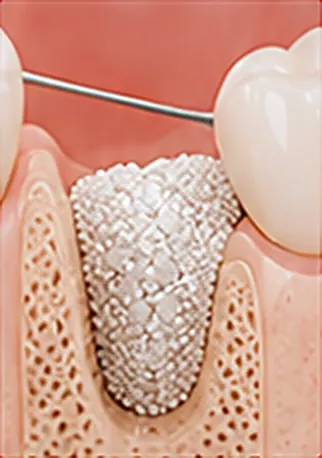
Common reasons for bone grafting:
- Insufficient bone for dental implants
- Bone loss after tooth loss
- Periodontal (gum) disease
- Jawbone changes from dentures
- Trauma or injury
- To preserve facial structure
- To support long-term oral health
Our Approach
Personalized care for a stronger, healthier smile.
We take the time to evaluate your oral health, discuss your goals, and create a customized treatment plan to determine if bone grafting is right for you.
Comprehensive Evaluation
We’ll assess your oral health, bone structure, and treatment goals using dental exams and digital imaging.
Personalized Treatment Plan
We’ll recommend the best bone grafting approach based on your needs, including the type and amount of grafting material required.
Ongoing Care
We provide guidance and monitoring throughout your healing process to support successful results and your long-term oral health.
The Bone Grafting Process
A step-by-step path to a stronger foundation.
While every case is unique, the bone grafting process typically includes:
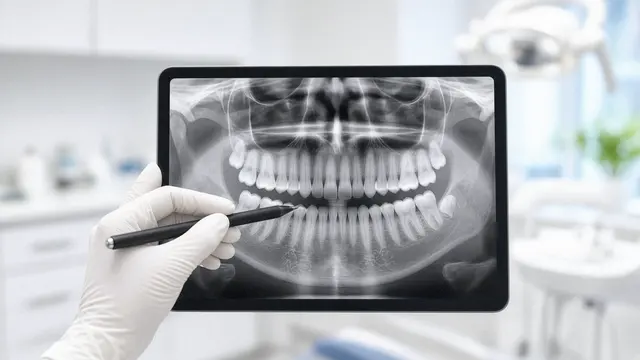
1. Examination and Planning
We’ll evaluate your bone structure using digital images (such as 3D scans) and create a personalized treatment plan.
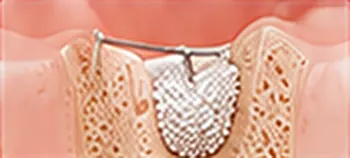
2. Graft Placement
Bone grafting material is placed in the area where additional bone is needed.
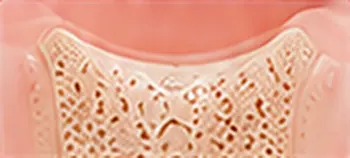
3. Healing and Integration
Over time, the grafting material integrates with your natural bone, creating a stronger foundation.
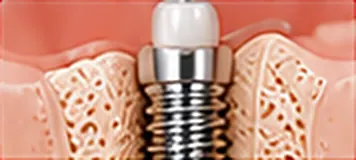
4. Next Steps
Once healing is complete, your jawbone may be ready for a dental implant or other restorative treatment.
The Benefits
More than just a preparation step.
Bone grafting does more than prepare for dental implants. It helps restore bone structure, maintain your facial appearance, and support long-term oral health.
- Creates a stronger foundation for dental implants
- Helps preserve jawbone health
- Maintains facial structure and appearance
- Supports long-term tooth replacement success
- Restores bone lost from missing teeth or gum disease
- Provides a stable foundation for a healthier smile
Are You a Candidate for Bone Grafting?
You may be a good candidate if you:
- Are missing one or more teeth
- Have insufficient bone for dental implants
- Have experienced bone loss due to gum disease
- Have worn dentures for an extended period
- Have had a tooth extracted and want to preserve bone
- Are in good overall oral and general health
- Want to improve your options for tooth replacement
- Are committed to maintaining good oral hygiene
Frequently Asked Questions
Why is bone grafting needed for dental implants?
An implant needs enough healthy bone around it to stay stable. After tooth loss or gum disease, the jawbone can shrink; grafting rebuilds that support so the implant can succeed.
What type of bone grafting materials are used?
Options include processed donor bone, animal-derived (bovine) bone, synthetic materials, and sometimes your own bone. We’ll explain which we recommend and why.
How long does the healing process take?
It varies with the type and size of the graft. Small grafts may heal in a few months, while larger ones can take longer before an implant is placed.
Is bone grafting painful?
The procedure is done with local anesthesia, so you shouldn’t feel pain during it. Some swelling and soreness for a few days afterward is normal.
Will my insurance cover bone grafting?
Coverage for bone grafting varies widely. Some plans cover part of the cost, especially for the crown, bridge or denture portion. Our team will review your benefits and explain your payment options before you begin.